FICGN Narrative FellowsApril 2026

"The Silence in My Heavy Bookbag"

— Dawn Jackson · FICGN Narrative Fellows

Dawn Jackson on the silence she was forced to carry as a child, the system that mistook her trauma for a deficit, and the Survivor Grants she's fighting for now.

FICGN Narrative Fellows · Essay

  • Essay numberNo. 07 of 07
  • Reading Time~5 minutes
  • PublishedApril 2026
  • ThemeSurvivor Advocacy · Trauma-Informed Policy · Women's Reentry
  • Fellow NameDawn Jackson
  • Author one-linerFounder & Executive Director of From Darkness to Dawn, LLC; Rutgers University Bachelor of Social Work candidate; Lived Experience Expert
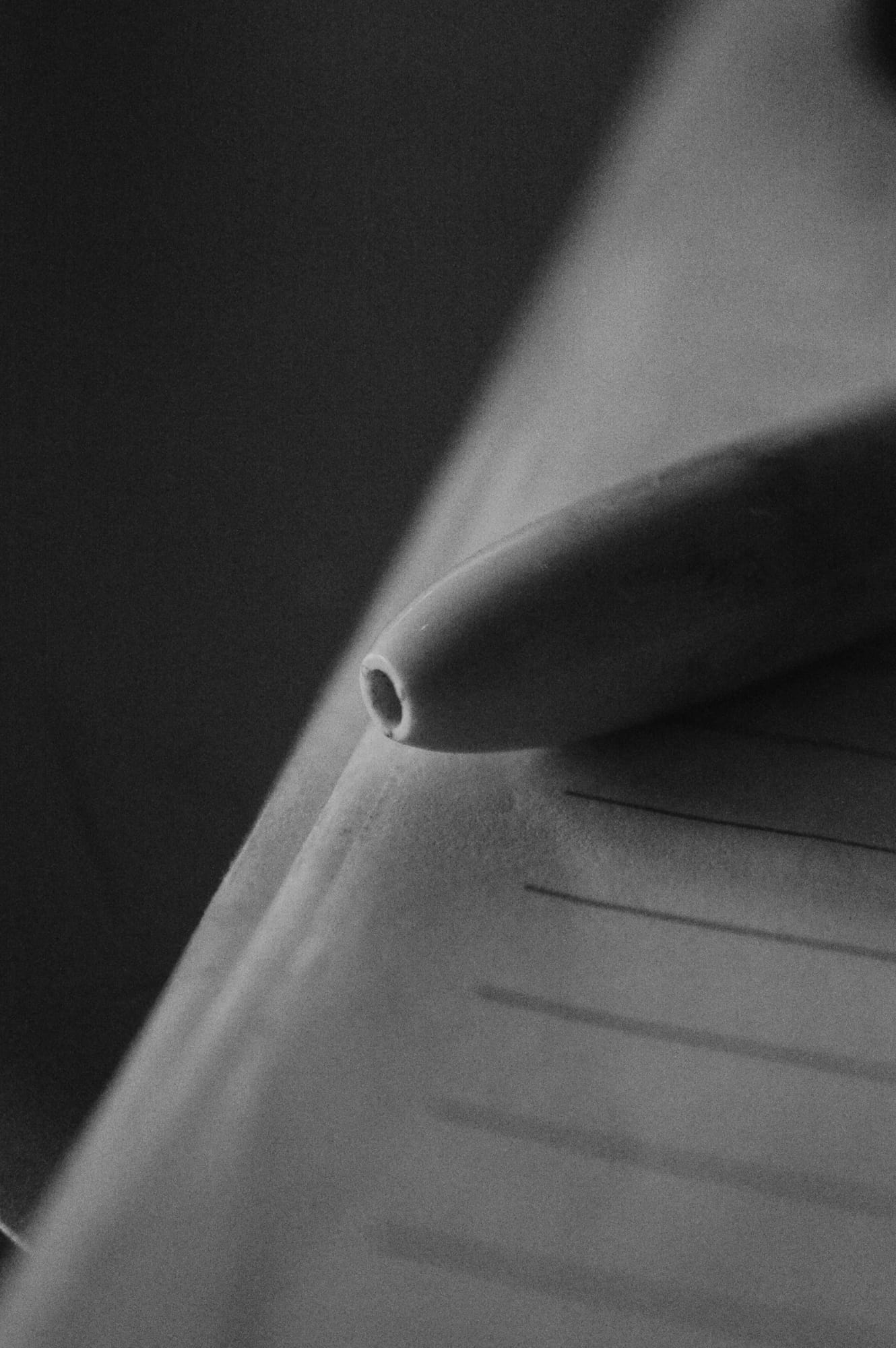
  • juan-guerra-ge09scOFQnc-unsplash.jpg

    The Silence in My Heavy Bookbag


    In the quietest corners of my childhood memory, I'm carrying a backpack. To anyone watching, it might've looked like the pretty pink one I so desperately wanted — a symbol of innocence. I used to imagine that backpack in vivid detail: covered in glitter that caught the light, filled with a fresh box of sixty-four crayons and a pretty ruler. I just wanted to have the same pretty things the other girls had.


    But the backpack I actually carried was invisible. At five years old, I was carrying the jagged, corroded tools of sexual abuse, physical violence, and incest. My home was a war zone, and I was being groomed into a silence that no child should ever have to hold. While other girls were using crayons and color pencils to paint the world of their lives pretty, to learn and grow, I was learning survival skills: to endure physical beatings that made me compliant, the violation of my body, and to be quiet about all of it because what happens in this house stays in this house. This silence was the cage built around me, and I bore the weight of suffocating secrets I was never meant to carry.

    The system failed me long before I reached adulthood — by misidentifying my forced silence as a lack of ability, and my trauma as a lack of intelligence. When educational institutions mistake the symptoms of trauma for a lack of cognitive ability, they don't just fail a student; they build a direct bridge to the criminal legal system. I blame a system that saw my silence as a deficit rather than a cry for help. It was a trajectory set by those who were supposed to protect me, but instead reinforced the "special ed" trap.

    The truth of my potential wasn't revealed by the system. It was revealed by my own resilience. While incarcerated, I gave myself the opportunity to go back to school and educate myself. This was my true reclamation. While society saw only a file, I was doing the heavy lifting of reclaiming my mind and my future. I would later learn through this education that silence has a core designed to protect abusers. If it wasn't for that academic space I carved out for myself, I would have never known that my silence was a structural shield for others. I earned my high school diploma while facing the pain that had followed me since that pink backpack. I proved I was never "slow" — I was simply unsupported.

    "When educational institutions mistake the symptoms of trauma for a lack of cognitive ability, they don't just fail a student — they build a direct bridge to the criminal legal system."


    However, doing that work while behind a wall shouldn't be the requirement for a first chance. When I was finally released, I found that those childhood labels had only grown heavier, manifesting as systemic barriers to reentry. We face the invisible wall of high unemployment and a devastating lack of gender-responsive support systems. Legislators and policymakers make life-altering decisions about us every day, yet they often do so without us in the room. We are told we have a "second chance," but for women who have survived the intersections of sexual abuse, domestic violence, and incarceration, we were never given a first.

    ✦ ✦ ✦

    To move toward true justice, we must provide a specific kind of grace for justice-impacted women — and for the youth currently walking the same path I once did. I am advocating with urgency, from the community to the floors of the Assembly, for a mandate that goes beyond simple job placement. We need legislated on-the-job training programs, community-led focus groups, and guaranteed pathways to meaningful employment. More importantly, we need Survivor Grants — dedicated funding for women who are overcomers of sexual abuse and domestic violence to access education and trauma-informed professional development.

    Today, I stand as a student at Rutgers University pursuing my Bachelor's in Social Work, and as the Founder and Executive Director of From Darkness to Dawn, LLC. I am a public speaker, a mentor, and a dedicated advocate for survivors and overcomers of sexual abuse and domestic violence. I am no longer the silenced child. I am a Lived Experience Expert.

    ✦ ✦ ✦

    The system tried to fail me twice — first in the classroom, and then in the courtroom — but it did not succeed. I am home now, mentoring and advocating for Survivor Grants, focus groups, on-the-job training, and employment, to ensure that every other justice-impacted survivor of sexual abuse and domestic violence is finally afforded the fair chance they deserve. To the assemblymen, the courts, and the educators: respect and inclusion are not optional. We are the architects of our own resilience.

    __________

    The Ask

    Build the systems that should have caught us as children — and the ones that should support us as women now.

    For state legislators and policymakers:

    Pass legislation establishing Survivor Grants — dedicated funding for women who are overcomers of sexual abuse and domestic violence to access education and trauma-informed professional development. Mandate on-the-job training programs designed for justice-impacted women. Require community-led focus groups so that women with lived experience shape the policies that affect them.

    For educational institutions:

    Train teachers, counselors, and administrators to recognize the symptoms of trauma in children — and stop misidentifying them as cognitive deficits. Audit special education placement practices for trauma-blind misclassification. Build trauma-informed academic support that meets children where they are, instead of routing them out of opportunity.

    For reentry programs and employers:

    Build gender-responsive support systems for women returning from incarceration, particularly women who carry survivorship from sexual abuse and domestic violence. Move beyond generic reentry employment placement toward trauma-informed professional development and pathways into meaningful work.

    For readers:

    If you are an educator, examine the children who have been labeled "slow" or "behavioral" in your school. Ask whether trauma has ever been considered. If you are a legislator or work for one, ask whether women with lived experience are in the room when policies affecting them are written. If they aren't, ask why.
    Survivor Advocacy · Women's Reentry · Trauma-Informed Policy · Special Education · Gender-Responsive Support · Survivor Grants · Lived Experience

    Author Bio

  • Dawn Jackson is a wife, proud mother of eleven, and a loving grandmother of twenty-two grandchildren. She is a resilient survivor and overcomer of sexual abuse and domestic violence, whose journey from trauma to triumph is nothing short of inspiring. Dawn spent 25 years and nine months at the Edna Mahan Correctional Facility and since her release, she has worked tirelessly to turn her life around and empower others.
  • A justice-impacted woman with a remarkable story of redemption, Dawn has become a passionate advocate, mentor, and lived experience expert. She is the esteemed founder of From Darkness to Dawn, LLC, an organization dedicated to helping formerly incarcerated women rebuild their lives. Dawn holds an Associate's Degree in Liberal Arts Studies from Raritan Valley Community College and is currently pursuing her Bachelor's Degree in Social Work at Rutgers University. She has experience in business administration and many other skills, bringing a wealth of knowledge and dedication to her work.
  • A dynamic public speaker, Dawn has shared her powerful story and inspiring message at universities, colleges, conferences, and podcasts. She played a significant role in advocating for the passage of the Survivors' Justice Act in New Jersey, speaking at the Statehouse Assembly to support justice for survivors of abuse. Her powerful testimony helped ensure that the voices of survivors were heard and respected.
  • Determined and driven, Dawn is a symbol of hope and resilience. She is dedicated to uplifting others through advocacy and mentorship, proving that even in the face of the darkest times, it is possible to rise and make a difference.
  • FICGN_Logo.svg

    Seven leaders. Seven essays.

    One national moment.

    Caitlynn.pngCaitlynn Acoff"Qualified by Survival"
    Click icon above to read
    Amy.jpgAmy Doty"Fair Chance Means More Than Just Opportunity"
    Click icon above to read
    Tanaine_s Headshot.pngTanaine Jenkins"Untitled Essay"
    Click icon above to read
    wilfredo.jpgWilfredo Laracuente"America’s Quiet Life Sentence"
    Click icon above to read
    troy-carr-headshot.jpgTroy Richard Carr"Grandma Cathy Lives in the Stars."
    Click icon above to read
    Nathan Pro Headshot.pngNathan Stephens"Untitled Essay"
    Click icon above to read
    Dawn headshot.jpegDawn Jackson"The Silence in My Heavy Bookbag"
    Click icon above to read

    Help us move from second to fair.

    Commission an essay. Republish a fellow's piece. Book a fellow for a panel, webinar, or interview. Support the next cohort. The work continues beyond April — and the fellows are ready to lead it.

    Cookie Settings
    Mmm...cookies! 🍪

    Our website uses necessary + analytical cookies.


    By continuing to browse, you accept cookies.

    Cookie Settings

    We use cookies to improve user experience. Choose what cookie categories you allow us to use. You can read more about our Cookie Policy by clicking on Cookie Policy below.

    These cookies enable strictly necessary cookies for security, language support and verification of identity. These cookies can’t be disabled.

    These cookies collect data to remember choices users make to improve and give a better user experience. Disabling can cause some parts of the site to not work properly.

    These cookies help us to understand how visitors interact with our website, help us measure and analyze traffic to improve our service.

    These cookies help us to better deliver marketing content and customized ads.