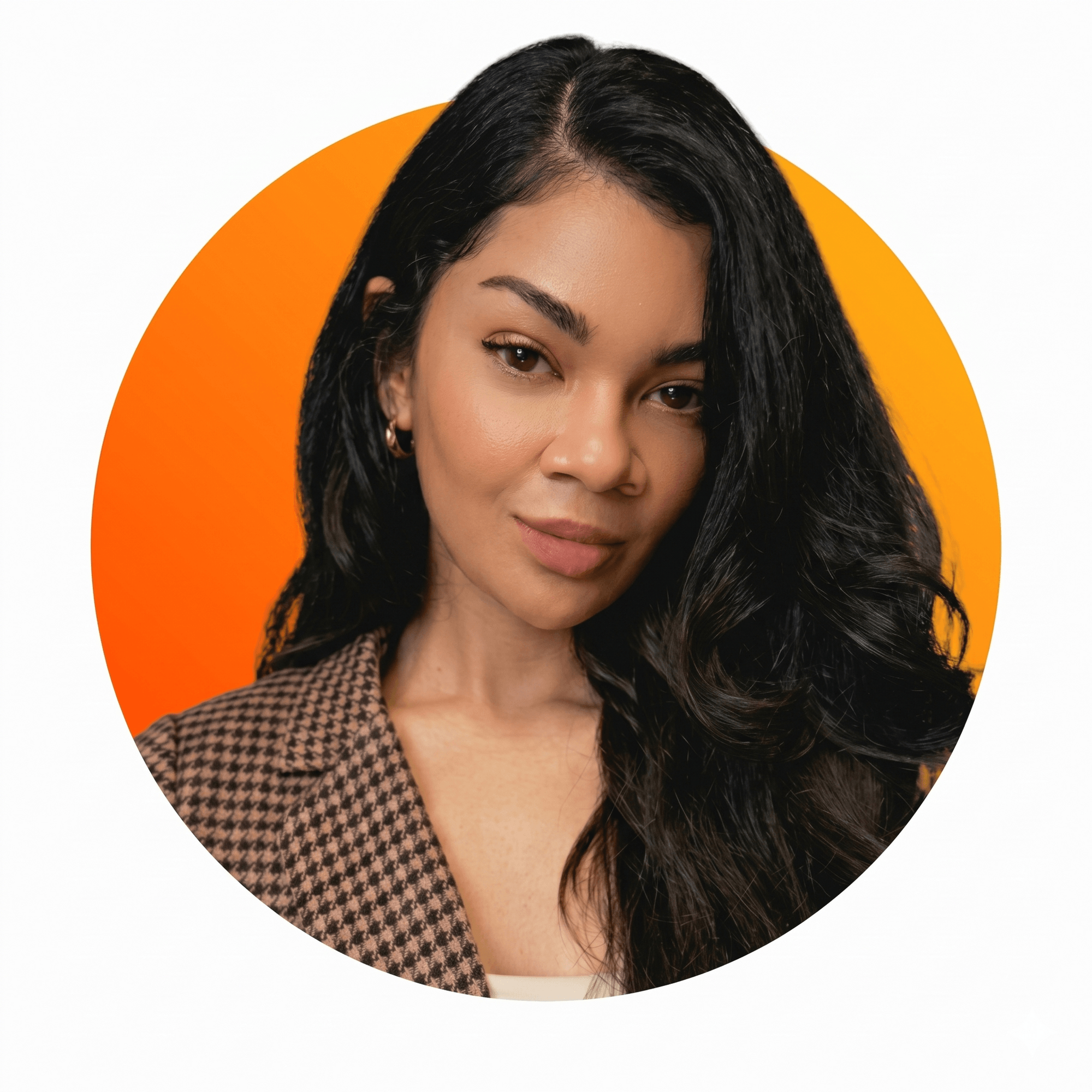
FICGN Narrative FellowsApril 2026

"Untitled Essay"

— Tanaine Jenkins · FICGN Narrative Fellows

Tanaine Jenkins on occupational licensing, the right to work, and the second sentence that follows people with criminal records long after their time is served.

FICGN Narrative Fellows · Essay

  • Essay numberNo. 03 of 07
  • Reading Time~ 8 minutes
  • PublishedApril 2026
  • ThemeOccupational Licensing · Employment · Policy Reform
  • Fellow NameTanaine Jenkins
  • Author one-linerAdvocate for fair chance licensing reform; organizer with the Florida Rights Restoration Coalition
  • juan-guerra-ge09scOFQnc-unsplash.jpg

    Untitled Essay


    I remember it being cool the day I stepped up to that podium. It was February 2022, just a couple of months after I reached out to the Florida Rights Restoration Coalition and asked how I could help. I felt as though I wasn't doing enough. I felt stuck and stagnant.


    They asked one question: "What's your story?"

    My story? I had never told my story before. My past had been weaponized against me so often that I'd hidden it away. So reluctantly, and for the first time, I explained the last twelve years of my life. When I finished, the response would change my life forever: "We've been looking for you."

    The truth was, I had been looking for me too.

    In 2010, I was sentenced to two years in prison and five years of probation. After a few technical violations, that probation stretched to ten. For years, I lived on autopilot, keeping my head down and staying out of the way. By the time of this press conference, I had been off probation for a year and a half and was just beginning to find my footing. Speaking that day felt like stepping out of the shadows.

    I wrote my speech and practiced everywhere — in the car, in the shower, even lying in my bed at night. I was ready.

    I stood there looking out at the crowd. News cameras stared back at me, microphones clipped to the stand. Behind me stood more than 150 men and women holding signs that read: Our Vote. Our Voice. Our Vision.

    We were all there for the same reason — to fight for occupational licensing. And for many of us, it wasn't just about policy. It was about the right to work.

    ✦ ✦ ✦


    At the time, Senate Bill 1548 was moving through the Florida state legislature with a simple but powerful idea: people should be judged on their qualifications before their criminal record. The bill would have allowed people with felony convictions to obtain occupational licenses unless their conviction was directly related to the professional career path they were pursuing.

    An occupational license is the government's permission to work in many professions. Today, nearly one in four jobs in the United States requires a license — including barbering and cosmetology, nursing, real estate, construction, and education.

    For most people, obtaining a license is simply a matter of completing training, passing an exam, and paying a fee.

    But for millions of Americans with a criminal record, it's not that simple.

    Across the country, licensing boards can deny someone the ability to work based solely on their past. In some states, a person can be denied a license for an arrest that never even led to a conviction. In others, boards are not required to consider evidence of rehabilitation at all. That means someone can complete their sentence, earn a degree, train for a profession, and still be told they cannot work in that field.

    The scale is significant. Nearly one in three U.S. adults has an arrest or conviction record. At the same time, licensed professionals make up a growing share of the workforce. This means millions of capable, qualified people are being locked out of opportunity.

    Employment is one of the strongest predictors of reentry success. Stable work provides income, purpose, and dignity, and significantly reduces the likelihood that someone will return to the criminal legal system. Public safety is not built only in courtrooms — it is built in workplaces, paychecks, and stable communities. Yet policies that restrict occupational licensing often do the opposite of what they claim to do. Instead of strengthening public safety, they shut qualified people out of lawful work and make it harder for them to rebuild their lives.

    For people leaving prison, the message is painfully clear: you have paid your debt to society, but your sentence never truly ends. This is what I call the Second Sentence. It follows you into every job application, every licensing board review, and every door that quietly closes before you ever have the chance to walk through it.


    "You have paid your debt to society, but your sentence never truly ends."

    No one is arguing that every conviction should be irrelevant to every job. Licensing decisions should be tied to actual risk, relevance to the profession, and evidence of rehabilitation — not blanket exclusion.

    There is a bright spot. States across the country are beginning to move toward fair-chance licensing. The question is not whether reform is possible, but whether we have the courage to stop punishing people forever.

    Policymakers and licensing boards have the power to remove unnecessary barriers that prevent returning citizens from entering licensed professions. Giving people the opportunity to work isn't just fair — it's smart policy.

    ✦ ✦ ✦

    When I stood behind that podium in 2022, I wasn't just speaking for myself. I was speaking for the hundreds standing behind me, and for millions of returning citizens trying to rebuild their lives.

    Senate Bill 1548 didn't make it to the finish line that year in Florida. But that doesn't mean the work stops. What are the occupational licensing laws in your state? Are there blanket exclusions that prevent returning citizens from accessing jobs where they could earn a living wage? If so, it may be time to ask lawmakers and licensing boards why — and push for policies that allow people who have paid their debt to society the opportunity to work.

    When we deny people the ability to work, we don't make our communities safer. We turn a sentence that was meant to end into one that never does.

    __________

    The Ask

    End the second sentence. Make occupational licensing about qualifications, not records.

    For policymakers and licensing boards:

    Pass fair-chance licensing reform that ties denial decisions to actual relevance to the profession, demonstrated risk, and evidence of rehabilitation — not blanket exclusion. Require licensing boards to consider rehabilitation evidence. Eliminate denials based on arrests that never led to conviction. Look to states already moving toward this model.

    For employers in licensed professions:

    Audit your hiring practices for licensed roles. Where state law allows discretion, exercise it. Treat completed training, certification, and demonstrated qualification as what they are: proof of capacity to do the work.

    For readers:

    Find out what the occupational licensing laws are in your state. Identify the blanket exclusions. Then ask your state legislators and the relevant licensing boards why those exclusions exist — and what evidence supports them.
    Occupational Licensing · Employment · Right to Work · Reentry · Policy Reform · Fair Chance Hiring · Florida

    Author Bio

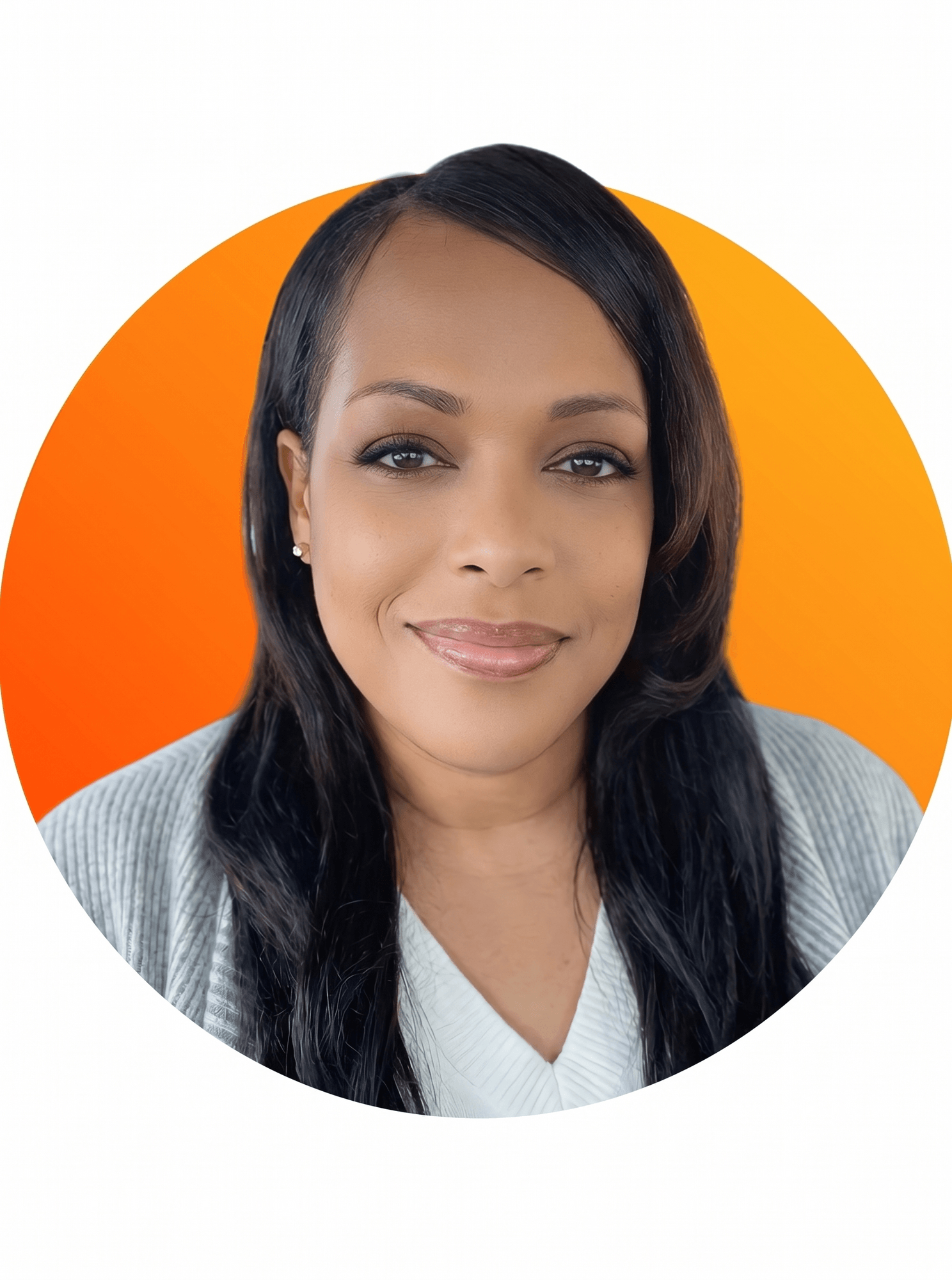
  • After spending 10 years within the Florida Department of Corrections, Tanaine Jenkins has transformed her journey into a powerful mission to expose and dismantle the "Second Sentence"—the unseen barriers and stigma that follow returning citizens long after their release. As the best-selling author of From Prison to President: 7 Ways to Succeed in Your Second Chance, Tanaine is not only an advocate for change but a strategist committed to reducing recidivism and transforming systems. She serves as President of Everything I Am LLC, CEO of The Loc'd Line, and Florida State Organizer and Director of the Florida Safety Coalition for REFORM Alliance, where she drives supervision reform efforts.
  • Her leadership has garnered recognition, including the prestigious 2024 Johnnie Barnett Harrison Award from the National Association of Reentry Professionals, was named the 2024 Florida Justice Center Advocate of the Year and ReEntry One’s 2025 Advocacy & Justice Champion.
  • Tanaine has shared her expertise on national platforms like TEDx Jacksonville, Forbes, CW, and PBS, reaching a wide audience with her vision of a future free from the Second Sentence. Through Everything I Am, Tanaine has empowered hundreds of justice-impacted individuals to rediscover their 'Why,' embrace self-forgiveness, and build paths to lasting success. Her work with REFORM Alliance has contributed to passing 22 legislative bills in 12 states, paving the way for a better future for returning citizens.
  • Tanaine continues to use her voice, influence, and expertise to create systemic change and offer fair chances to those who need them most.
  • FICGN_Logo.svg

    Seven leaders. Seven essays.

    One national moment.

    Caitlynn.pngCaitlynn Acoff"Qualified by Survival"
    Click icon above to read
    Amy.jpgAmy Doty"Fair Chance Means More Than Just Opportunity"
    Click icon above to read
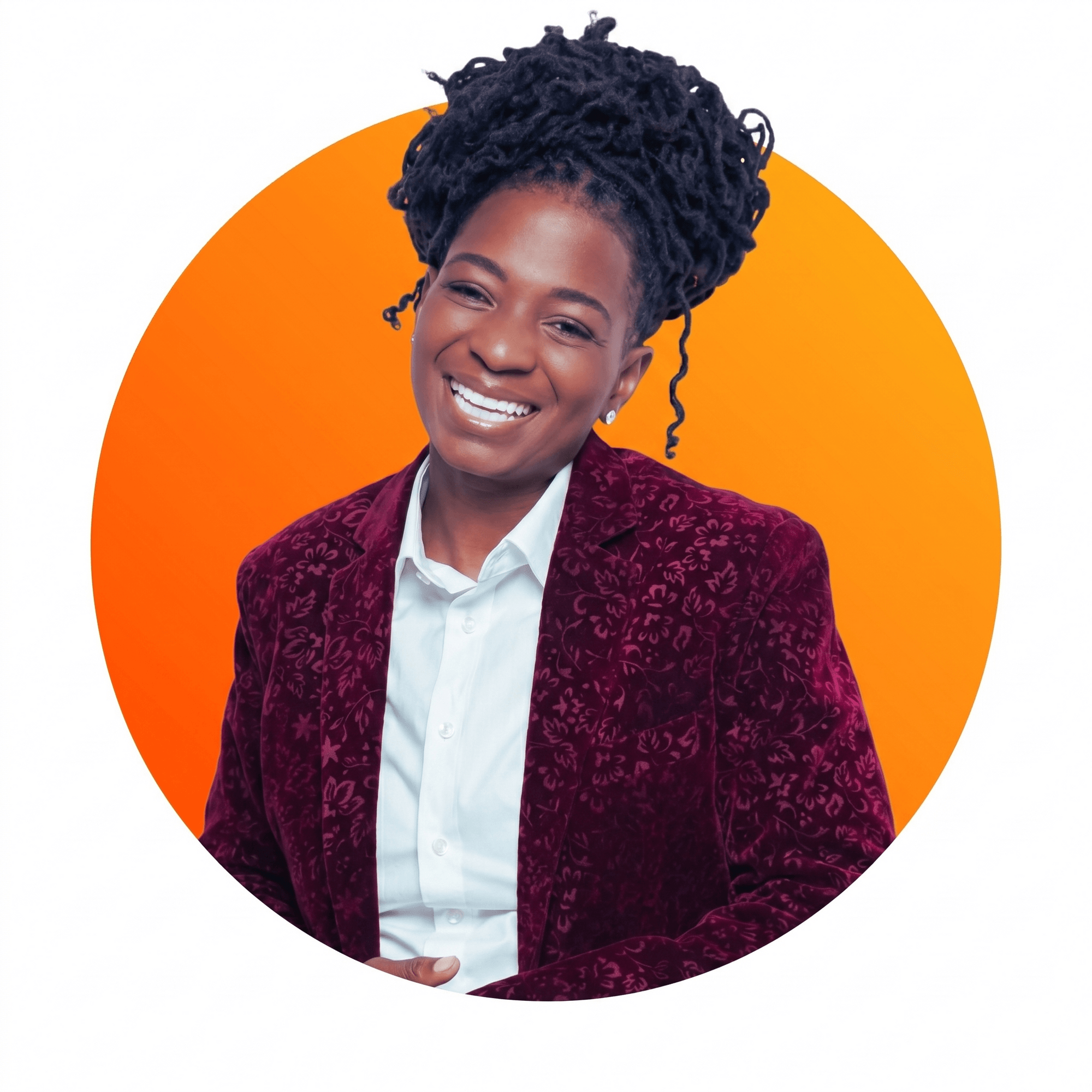
    Tanaine_s Headshot.pngTanaine Jenkins"Untitled Essay"
    Click icon above to read
    wilfredo.jpgWilfredo Laracuente"America’s Quiet Life Sentence"
    Click icon above to read
    troy-carr-headshot.jpgTroy Richard Carr"Grandma Cathy Lives in the Stars."
    Click icon above to read
    Nathan Pro Headshot.pngNathan Stephens"Untitled Essay"
    Click icon above to read
    Dawn headshot.jpegDawn Jackson"The Silence in My Heavy Bookbag"
    Click icon above to read

    Help us move from second to fair.

    Commission an essay. Republish a fellow's piece. Book a fellow for a panel, webinar, or interview. Support the next cohort. The work continues beyond April — and the fellows are ready to lead it.

    Cookie Settings
    Mmm...cookies! 🍪

    Our website uses necessary + analytical cookies.


    By continuing to browse, you accept cookies.

    Cookie Settings

    We use cookies to improve user experience. Choose what cookie categories you allow us to use. You can read more about our Cookie Policy by clicking on Cookie Policy below.

    These cookies enable strictly necessary cookies for security, language support and verification of identity. These cookies can’t be disabled.

    These cookies collect data to remember choices users make to improve and give a better user experience. Disabling can cause some parts of the site to not work properly.

    These cookies help us to understand how visitors interact with our website, help us measure and analyze traffic to improve our service.

    These cookies help us to better deliver marketing content and customized ads.